The best solar path lights, ranked on the numbers most of them leave out
Every pack here is IP65 and switches on at dusk. Brightness, run time and color temperature are the specs that separate them — and most listings skip at least two.
By Sawyer V. · Published
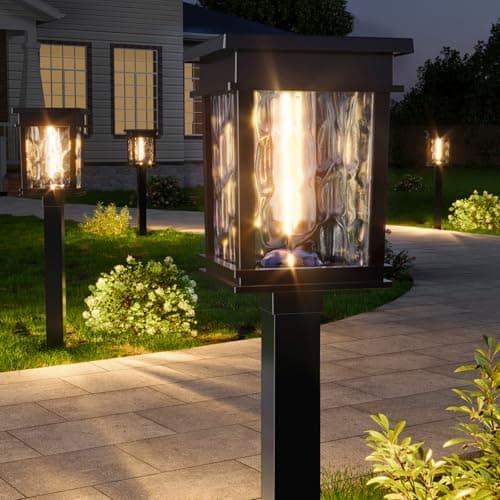
Solar path lights are the easiest outdoor lighting there is to install: push the stake in, walk away. They are also the category where the listings say the least, because almost every pack is an 8-pack, rated IP65, that switches itself on at dusk.
What separates them is brightness, run time and color, and most listings publish at most one of the three. Five packs below, ranked on what they actually tell you.
Wreath & Watt earns a commission on qualifying purchases made through the Amazon links on this page. It costs you nothing and it does not change the order of the picks — here is exactly how we are funded.
Quick picks
| # | Product | Best for | Score | Price |
|---|---|---|---|---|
| 1 |  XMCOSY+ solar path lights, 6 pack, 50 lumens, warm and cool50 lumens, adjustable warm or cool white, IP65 XMCOSY+ solar path lights, 6 pack, 50 lumens, warm and cool50 lumens, adjustable warm or cool white, IP65 | The only published brightness | 8.5/ 10 | $79.99Amazon #ad · Price as of October 26, 2026 · Disclosure |
| 2 |  RAVICEN solar pathway lights, 8 pack, warm white, 14 hoursUp to 14 hours of warm white, IP65 RAVICEN solar pathway lights, 8 pack, warm white, 14 hoursUp to 14 hours of warm white, IP65 | Warm white by default | 7.0/ 10 | $59.99Amazon #ad · Price as of October 26, 2026 · Disclosure |
| 3 |  Solar pathway lights, 8 pack, up to 15 hours, IP65Up to 15 hours per charge Solar pathway lights, 8 pack, up to 15 hours, IP65Up to 15 hours per charge | The longest published run time | 7.0/ 10 | |
| 4 |  Tenmiro solar pathway lights, 8 pack, 3000K3000K, IP65, 8 pack Tenmiro solar pathway lights, 8 pack, 3000K3000K, IP65, 8 pack | A published color temperature | 7.0/ 10 | |
| 5 |  NEWMESSI solar pathway lights, 8 pack, IP65IP65 and auto on/off, nothing else publishedSkip this NEWMESSI solar pathway lights, 8 pack, IP65IP65 and auto on/off, nothing else publishedSkip this | Skip | 3.3/ 10 | $59.99Amazon #ad · Price as of October 26, 2026 · Disclosure |
Scores are our own weighting of published manufacturer specifications, explained in full on how we research. They are not test results. We have not tested these products.
The picks in full
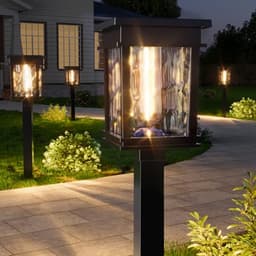
#1 — The only published brightness
XMCOSY+ solar path lights, 6 pack, 50 lumens, warm and cool
50 lumens, adjustable warm or cool white, IP65
8.5
/ 10
The pick. Brightness is the spec that decides a path light, and this is the only listing that publishes it.
Published specifications
- Pieces
- 6
- Brightness
- 50 lumens
- Color
- Adjustable warm and cool white
- Weather rating
- IP65
- Run time
- Not stated in the listing
Our scoring
- Published brightness
- 10 / 10
- Color control
- 10 / 10
- Lights per pack
- 6 / 10
- Spec completeness
- 8 / 10
Good
- A published lumen figure — the only one in this field — so you know what you are buying
- Switchable color temperature, so it can match warm porch lights or cool landscape lighting
Watch out
- Six lights rather than eight, so it covers less path per pack
- No published run time
#ad · Price as of October 26, 2026 · How we are funded
Specs from the Amazon listing (ASIN B0G2SC3QN6), verified 2026-09-11.
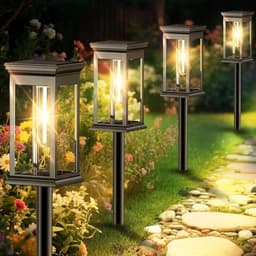
#2 — Warm white by default
RAVICEN solar pathway lights, 8 pack, warm white, 14 hours
Up to 14 hours of warm white, IP65
7.0
/ 10
The pick for a path next to warm porch lighting. Cool white path lights beside warm string lights is the most common mismatch in a yard.
Published specifications
- Pieces
- 8
- Color
- Warm white
- Run time
- Up to 14 hours
- Weather rating
- IP65
- Control
- Auto on at dusk, off at dawn
Our scoring
- Color match
- 10 / 10
- Published run time
- 9 / 10
- Published brightness
- 1 / 10
- Spec completeness
- 8 / 10
Good
- Warm white matches most porch and string lighting, where cool white stands out
- Run time and IP rating both published
Watch out
- No published brightness
- An hour shorter than the 15 hour pack, on the same caveat
#ad · Price as of October 26, 2026 · How we are funded
Specs from the Amazon listing (ASIN B0GVJFHJ5M), verified 2026-09-11.
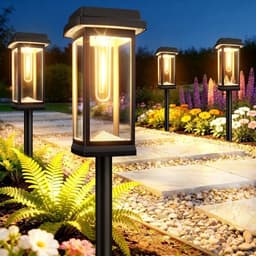
#3 — The longest published run time
Solar pathway lights, 8 pack, up to 15 hours, IP65
Up to 15 hours per charge
7.0
/ 10
The run-time pick. Expect the headline figure in June, not December.
Published specifications
- Pieces
- 8
- Run time
- Up to 15 hours
- Weather rating
- IP65
- Brightness
- Not stated in the listing
Our scoring
- Published run time
- 10 / 10
- Lights per pack
- 10 / 10
- Published brightness
- 1 / 10
- Spec completeness
- 7 / 10
Good
- 15 hours covers dusk to dawn in summer with time to spare
- Eight lights per pack, and an actual IP rating
Watch out
- "Up to" is a summer figure — shorter days and weaker sun cut it in winter
- No published brightness
Specs from the Amazon listing (ASIN B0GHYMJQ9N), verified 2026-09-11.
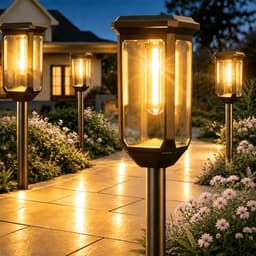
#4 — A published color temperature
Tenmiro solar pathway lights, 8 pack, 3000K
3000K, IP65, 8 pack
7.0
/ 10
Buy it when the color has to match exactly. It is the only pack here that states a Kelvin figure.
Published specifications
- Pieces
- 8
- Color temperature
- 3000K
- Weather rating
- IP65
- Control
- Auto on and off
- Run time
- Not stated in the listing
Our scoring
- Published color temperature
- 10 / 10
- Lights per pack
- 10 / 10
- Published run time
- 1 / 10
- Spec completeness
- 7 / 10
Good
- 3000K is a number rather than the word "warm", so you can match it to the rest of the lighting
- IP65 and eight lights per pack
Watch out
- No published run time or brightness
Specs from the Amazon listing (ASIN B0GTY1QJYB), verified 2026-09-11.
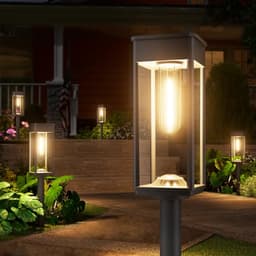
#5 — skip this
NEWMESSI solar pathway lights, 8 pack, IP65
IP65 and auto on/off, nothing else published
3.3
/ 10
Our skip. It meets the baseline and publishes nothing that would let you prefer it.
Published specifications
- Pieces
- 8
- Weather rating
- IP65
- Control
- Auto on and off
- Brightness
- Not stated in the listing
- Run time
- Not stated in the listing
- Color temperature
- Not stated in the listing
Our scoring
- Weather rating
- 8 / 10
- Published brightness
- 1 / 10
- Published run time
- 1 / 10
- Spec completeness
- 3 / 10
Good
- IP65 and eight lights, the same baseline as the field
Watch out
- No brightness, no run time and no color temperature — none of the three numbers that separate path lights
- Every other pack here publishes at least one of them
#ad · Price as of October 26, 2026 · How we are funded
Specs from the Amazon listing (ASIN B0D1TV3TQ7), verified 2026-09-11.
How we ranked these
Published brightness first, because it is what a path light is for. Then run time, then color temperature. IP rating is a column but not a differentiator — every pack here publishes IP65.
| Pack | Lights | Lumens | Run time | Color | Rating |
|---|---|---|---|---|---|
| XMCOSY+ | 6 | 50 | Not stated | Warm or cool, switchable | IP65 |
| RAVICEN | 8 | Not stated | Up to 14 h | Warm white | IP65 |
| 8 pack, 15 h | 8 | Not stated | Up to 15 h | Not stated | IP65 |
| Tenmiro | 8 | Not stated | Not stated | 3000K | IP65 |
| NEWMESSI | 8 | Not stated | Not stated | Not stated | IP65 |
One listing publishes lumens, two publish run time and two publish a color. Every pack publishes IP65.
Source: Manufacturer listings on Amazon.com, verified September 2026.
The one published brightness
The XMCOSY+ pack publishes 50 lumens, and it is the only one that does. That is a marker light, not a floodlight — enough to show the edge of a path and the step at the end of it, not enough to read by. It is also the only number in this table that tells you what you will actually see.
Everything else here is “bright” in the title and silent in the specs. That is why the pack with fewer lights leads the page.
Run time is a summer number
The comparison of solar against plug-in, and where each belongs, is on solar vs plug-in outdoor lighting.
How many packs a path takes
The arithmetic
- Assume one light every 6 ft along one side
- 8 lights = 7 gaps x 6 ft = 42 ft of path
- Both sides of the same path: 8 lights cover 21 ft
- 6 lights (XMCOSY+) = 5 gaps x 6 ft = 30 ft on one side
An 8 pack lines one side of a 42 ft path, or both sides of a 21 ft one. Measure the path before ordering and buy by the foot, not by the pack.
Match the color to the house
Cool white path lights beside warm white porch lights is the single most common lighting mismatch in a front yard. The RAVICEN is warm white; the Tenmiro publishes 3000K, an actual figure; the XMCOSY+ switches between warm and cool. The argument, written for Christmas lights but true all year, is on warm white vs cool white.
Placing them
Solar panels need sun, and a path light shaded by a hedge all afternoon will never charge fully. Put them where the panel sees open sky for most of the day, and keep them out of the spill from porch lights, which can stop the dusk sensor switching them on. The wider garden plan is on backyard and garden lighting.
Year-round path, seasonal markers
Solar path lights are a year-round install; candy-cane pathway markers are a December swap. If you run both, keep the solar lights as the base layer and add the seasonal markers between them — see the best Christmas pathway lights.
Questions
›How bright are solar path lights?
The only pack here that publishes brightness is rated 50 lumens: enough to mark a path edge and a step, not enough to light a yard. The rest do not publish a figure, which is reason to be skeptical of the word “bright” in their titles.
›How long do solar path lights stay on?
Two packs here publish up to 14 and 15 hours. Those are figures after a full charge in strong sun; in fall and winter, shorter days and weaker sun mean less charge and shorter run times.
›How far apart should solar path lights be?
About 6 ft is a common working spacing. At that, an 8 pack lines one side of a 42 ft path or both sides of a 21 ft one.
›Do solar path lights work in winter?
Yes, with shorter run times. Less daylight and a lower sun mean less charge, and snow on the panel stops charging entirely. None of these listings publishes a winter run time.
Sources
- XMCOSY+ solar pathway lights listing (ASIN B0G2SC3QN6) — 6 pack, 50 lumens, adjustable warm and cool white, IP65
- RAVICEN solar pathway lights listing (ASIN B0GVJFHJ5M) — 8 pack, up to 14 hours warm white, IP65, auto on and off
- 8 pack solar pathway lights listing (ASIN B0GHYMJQ9N) — 8 pack, IP65, up to 15 hours
- Tenmiro solar pathway lights listing (ASIN B0GTY1QJYB) — 8 pack, IP65, auto on and off, 3000K
- NEWMESSI solar pathway lights listing (ASIN B0D1TV3TQ7) — 8 pack, IP65, auto on and off
- Spacing arithmetic — Lights minus one, times an assumed 6 ft spacing — our arithmetic
We have not tested these products. Every figure above comes from a published manufacturer specification or from arithmetic shown on this page, and anything a maker does not publish is printed as unavailable rather than estimated. How that works, and what we will not claim, is set out on how we research.