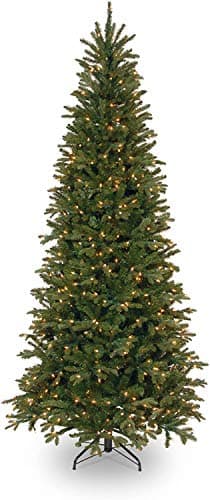
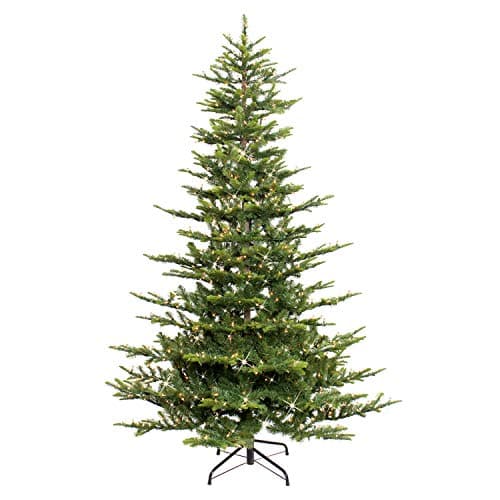
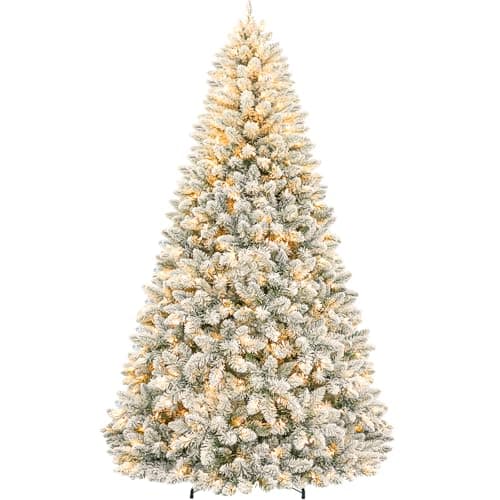
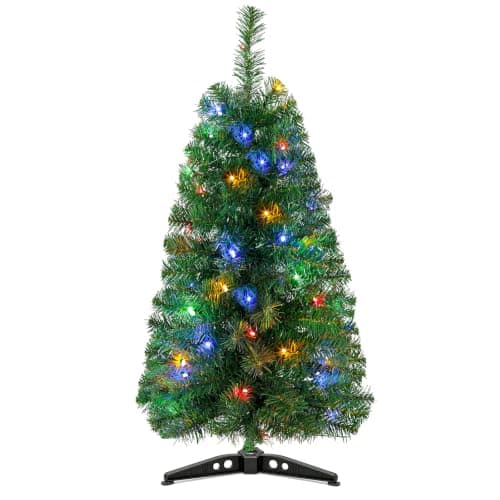
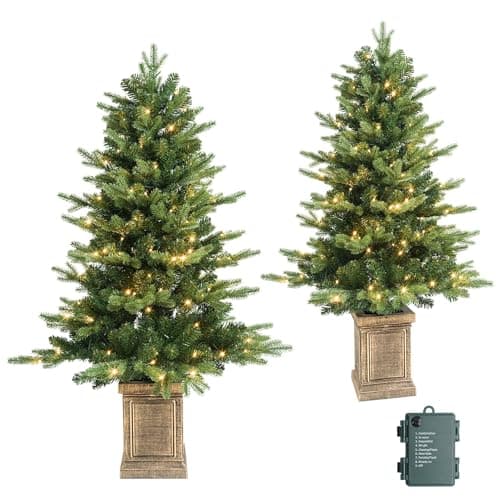
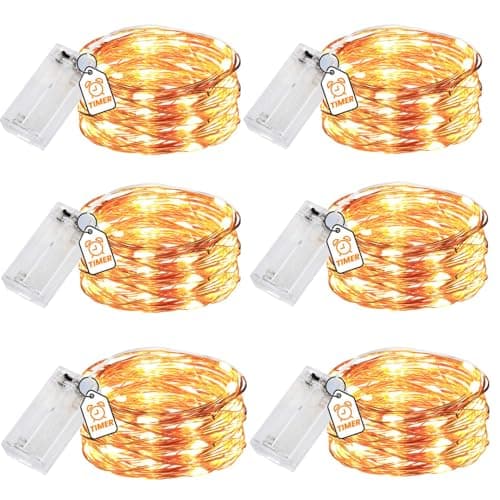
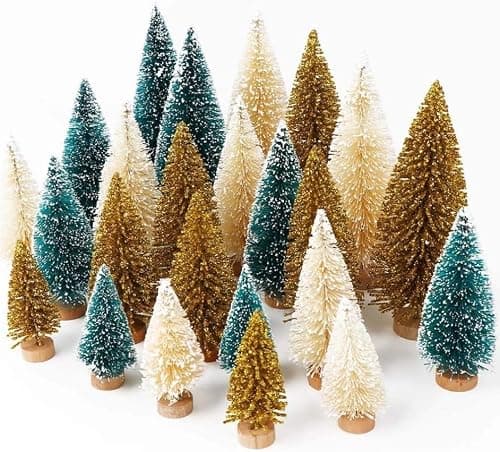
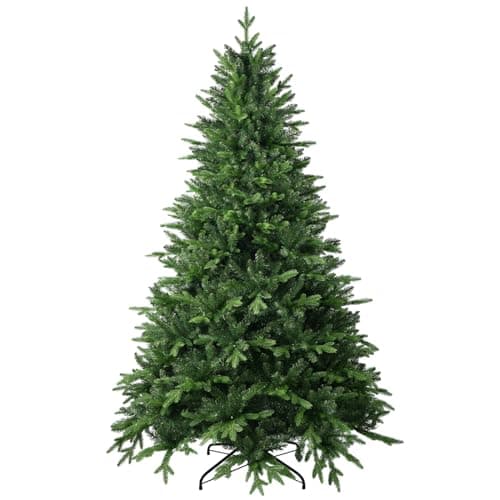
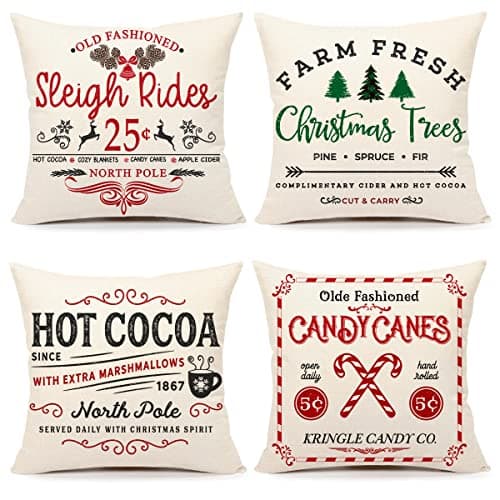
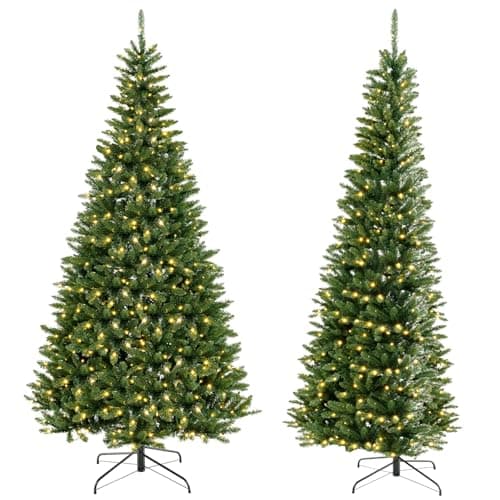
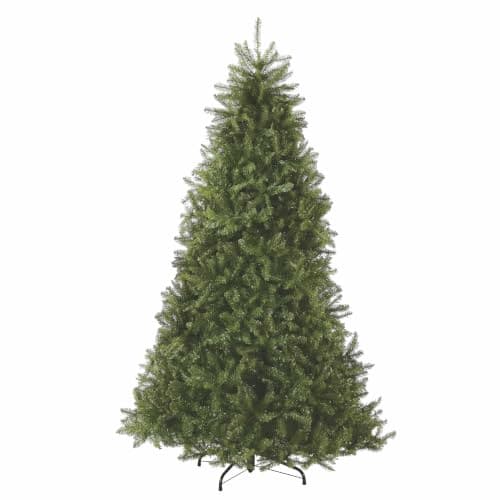
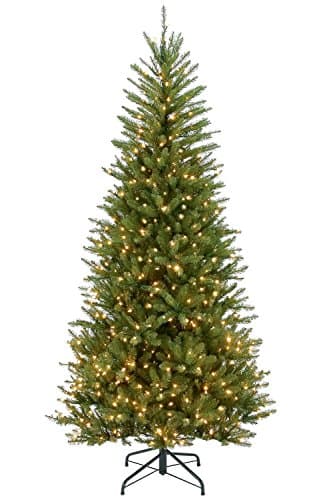
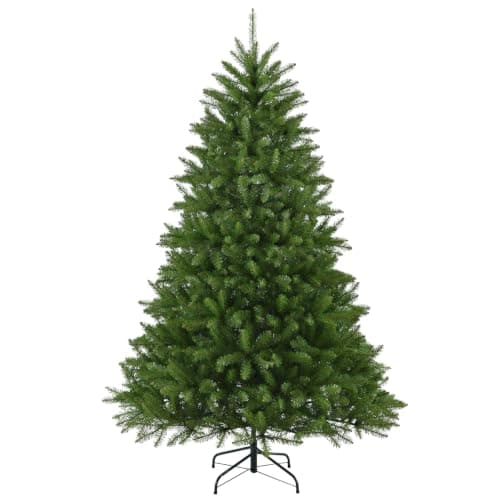
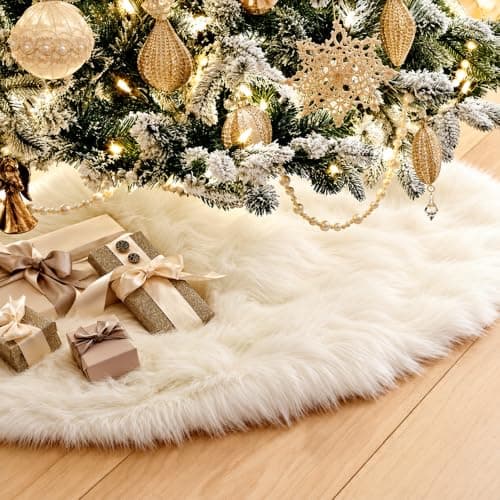
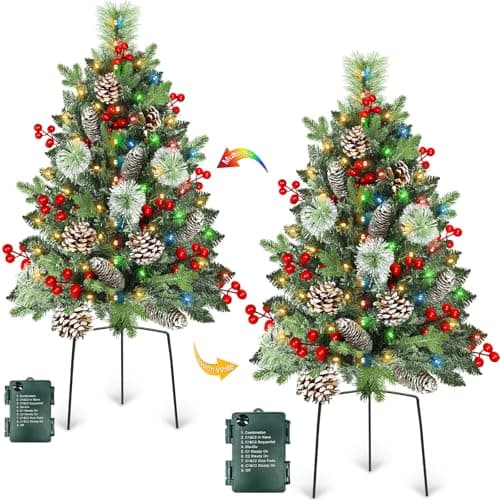
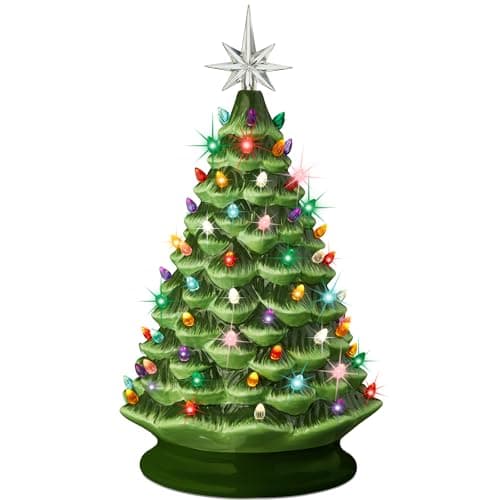
This is the “wreath” half of the site’s name, and it is the highest-value category in seasonal decorating: an artificial tree is the single most expensive thing most households buy for the season, and it is bought roughly once a decade.
It is also a category sold almost entirely on adjectives. Listings say realistic, lifelike, lush and premium. What separates one tree from another in a way you can check is a single published number: the branch tip count.
Why tip count is the number
A branch tip is one individual piece of foliage at the end of a branchlet. The tip count is the total across the whole tree, and it is the closest thing this category has to a density measurement. Divide it by the tree’s height and you get tips per foot, which is what makes trees of different sizes and brands directly comparable.
Our working scale for tips per foot
Tips per foot
Reads as
Under 150
Sparse; the central pole is visible
150 to 175
Light; fine for a deliberately sparse style
175 to 225
Normal; the usual mid-market tree
225 to 275
Full; hides the pole completely
Over 275
Very full; the premium end
This is our own scale, offered so that published figures mean something. It is not an industry standard and no manufacturer uses it.
Source: Derived from the published tip counts of the trees we compiled. Stated as guidance rather than as a standard.
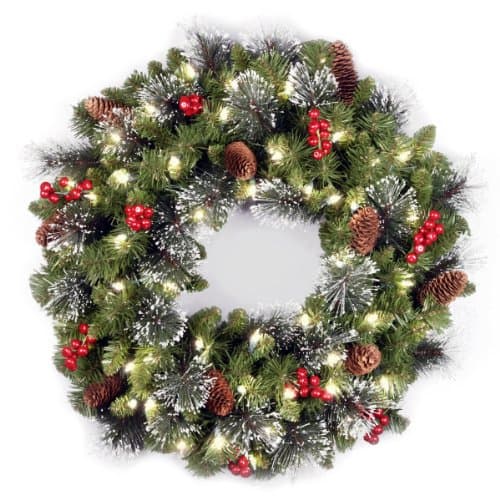
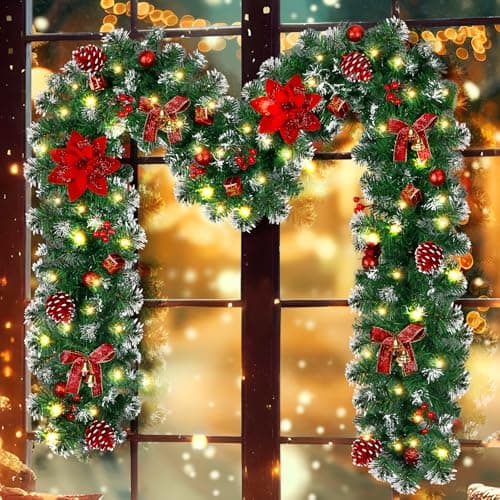
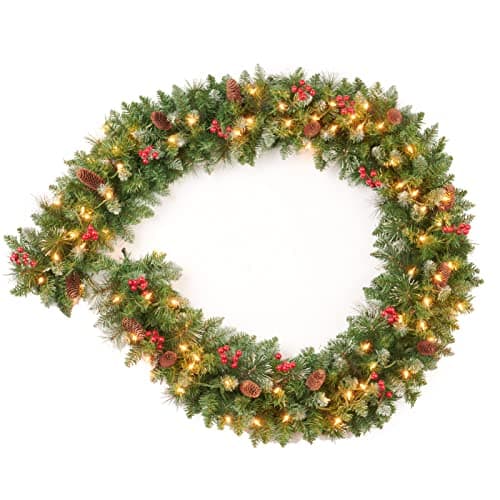
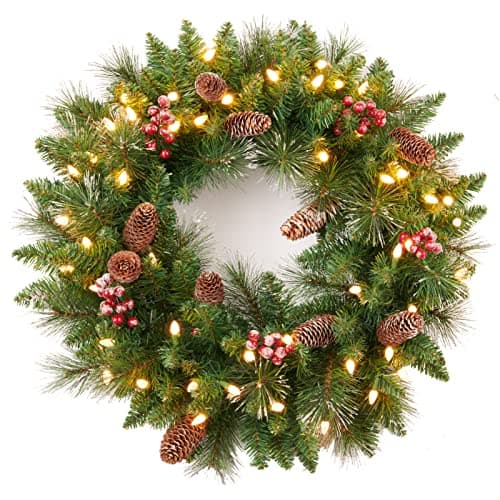
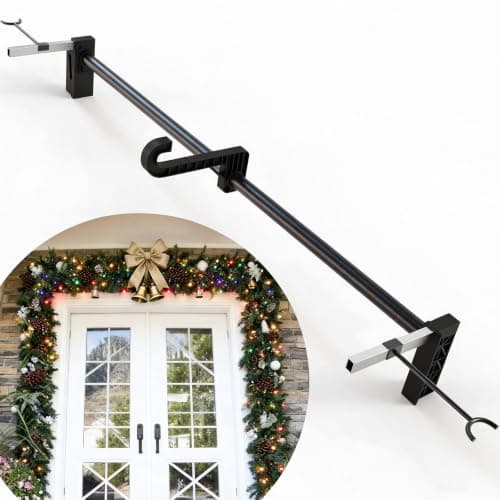
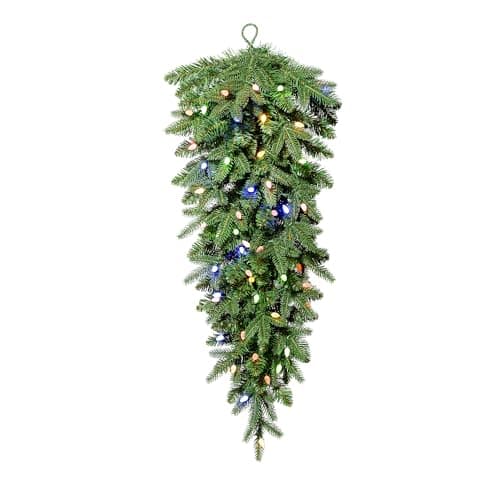
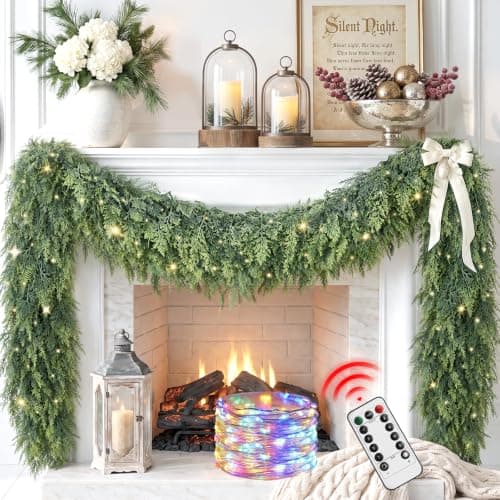
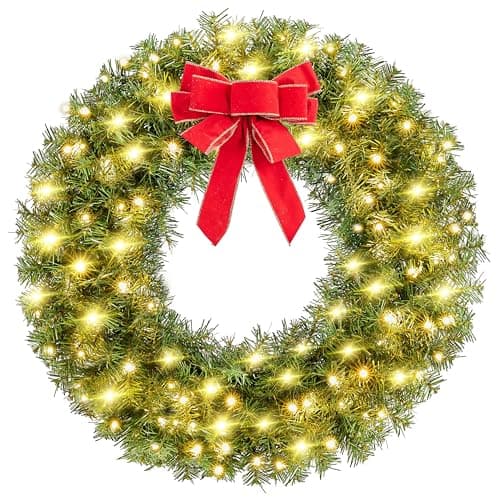
The same logic runs through wreaths and garland. A 24-inch wreath with 160 tips hides its wire frame; one with 113 tips at the same diameter shows more of it, and you see a front door in daylight far more than you see it lit. A 9-foot garland with 252 tips reads as full on a bare banister; one with no published tip count is a photograph rather than a specification.
How we evaluate
Published tip count — and whether it is a figure or a phrase. “Over one hundred tips” is not a number.
Density per foot — the normalized version, computed by us.
Light provision — how the light count compares with the 100-per-foot convention, and how it sits against the tip count.
Spec completeness — whether you can plan around what the listing tells you.
The two brands you will meet that are not here
Search for artificial trees and Balsam Hill and King of Christmas appear within seconds. Neither sells through Amazon and we have joined no affiliate program with either. We name them, because a comparison that omitted them would misrepresent the category, and there is no buy button for either because we have nothing to link to and nothing to earn. We also do not print their specifications alongside the trees we can price, because a table that mixes checked and unchecked figures is worse than no table at all.