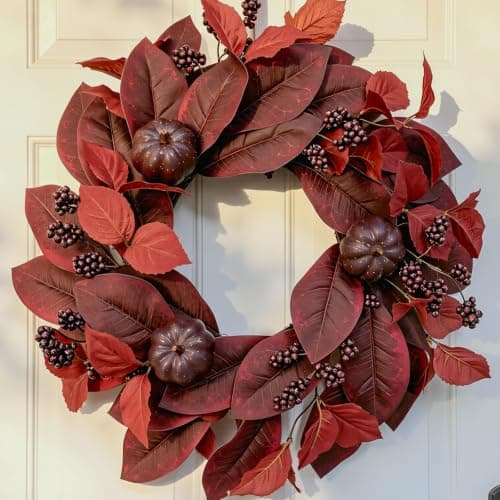
Best fall wreath
The best fall wreaths, sized against your actual front door
Fall wreaths at 24 in, matched to door width and siding color, with the storage-depth problem addressed.
Top pick
Fall wreath, 24 in, maroon maple with pumpkin
Diameter against door width, palette against siding, and the pieces that carry from September through to the Christmas handover.
By Sawyer V. · Published · Last checked
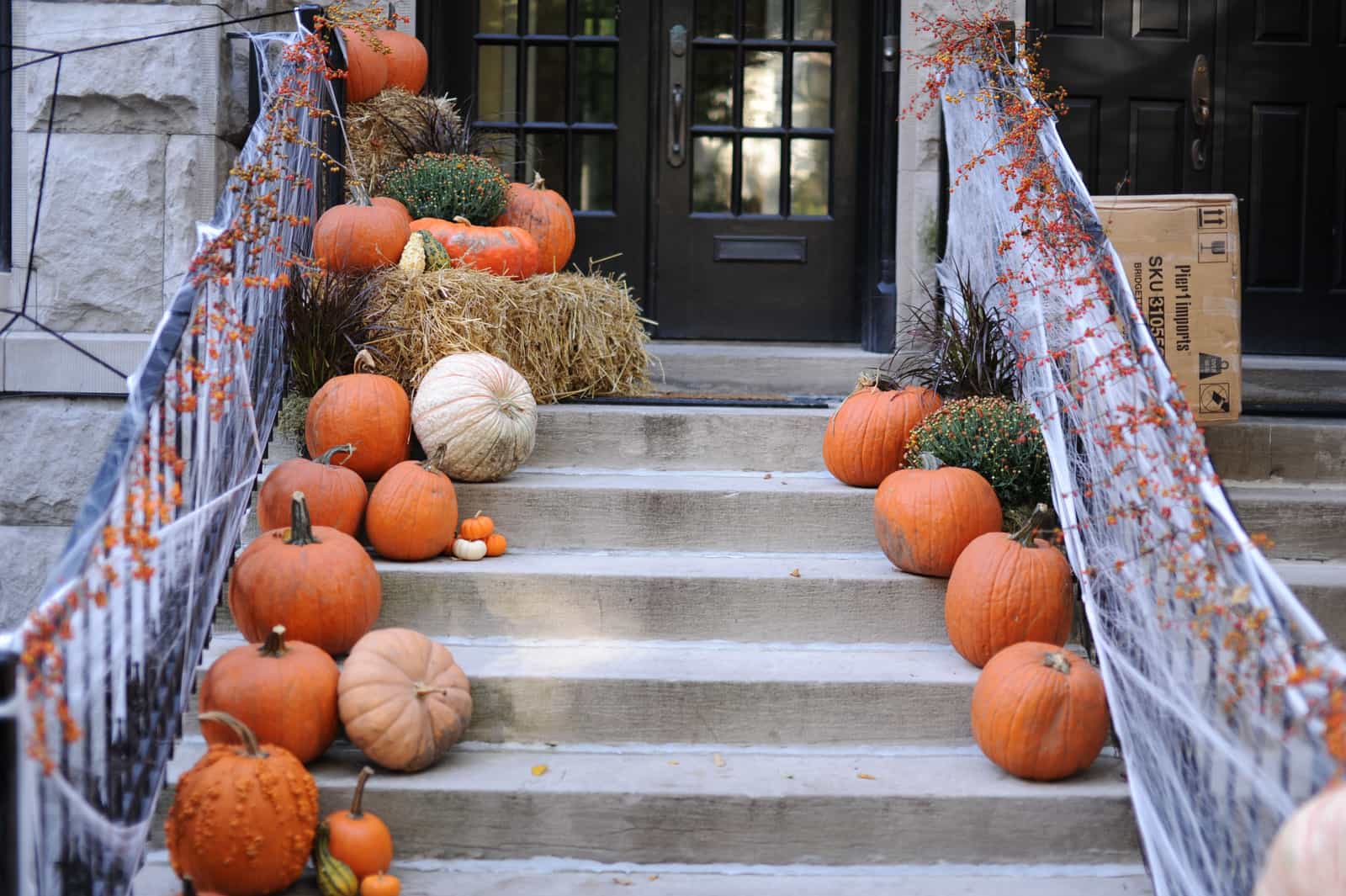
Fall is the longest decorating season and the one people spend the least time planning. A fall porch typically goes up in early September and comes down at Thanksgiving — eleven or twelve weeks, in warmer, wetter, sunnier weather than December. It sees more sun, more rain and more traffic than a Christmas display, and it is looked at from arm’s length by everyone who comes to the door.
That close-range viewing changes the rules. A roofline is judged from sixty feet and a porch is judged from six, so proportion matters more, and the trim on a wreath that looks charming in a photograph is something people will genuinely examine.
| Door width | Wreath diameter |
|---|---|
| 30 in (narrow or side door) | 18 to 20 in |
| 32 in | 20 to 22 in |
| 36 in (standard US front door) | 24 in |
| 42 in (oversized) | 28 to 30 in |
About two thirds of the door width is the proportion that reads as deliberate at close range. An 18-inch wreath on a standard 36-inch door covers half the width and reads as an accident — it is the single most common fall porch mistake.
Source: Standard US residential door widths. The two-thirds proportion is our own stated convention.
Fall wreaths come in two broad palettes and they suit opposite houses. Deep burgundy, russet and dark foliage reads well against white, cream and pale gray siding, and disappears against red brick. Bright orange, sunflower yellow and light maple reads against dark doors, brick and stained wood, where the deeper palette gets lost.
The test takes ten seconds: stand at the sidewalk and look at the door. If the door and the wall around it are already warm and dark, buy the brighter wreath. If they are pale, buy the deeper one.
A porch that looks designed rather than accumulated has three: the door, the verticals, and the floor. Almost everyone does the first two — a wreath and maybe some garland — and skips the third, which is the layer that makes the other two look intentional.
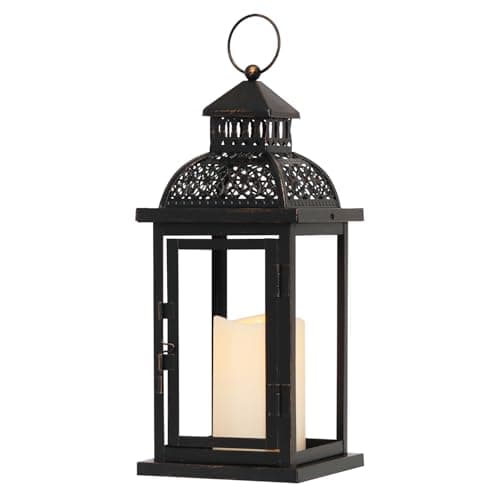
The floor layer is a pair of lanterns, or a pair of planters, flanking the door. Symmetry does the work, which is why two of anything beats one of anything. Scale and power sources are in pumpkins and lanterns.
This section grows through the year. Wreaths, lanterns, the Thanksgiving handover, the three-layer lighting scheme, outdoor durability, colour palettes, the real-versus-artificial pumpkin question and the full September-to-December porch plan are covered now; planters and container planting follow ahead of the next season.
Best fall wreath
Fall wreaths at 24 in, matched to door width and siding color, with the storage-depth problem addressed.
Top pick
Fall wreath, 24 in, maroon maple with pumpkin

Best lit pumpkin
Lit pumpkins and lanterns by published height and power source, with the porch scale rule and storage notes.
Top pick
Collapsible light-up pumpkin, 3 ft, stackable jack-o'-lantern
Guide
What carries from Halloween to Thanksgiving to Christmas, and the pieces worth buying for November alone.
Top pick
NEEDOMO lantern, 15 in, metal, with LED candle
#ad · Price as of October 19, 2026 · Disclosure
Guide
The path, step and door layers of a fall porch scheme, what solar really covers, and the timer that runs the whole thing.
Top pick
NEEDOMO lantern, 15 in, metal, with LED candle
#ad · Price as of October 19, 2026 · Disclosure
Guide
Which fall pieces survive three months outdoors and which do not, by material and construction rather than by claim.
Top pick
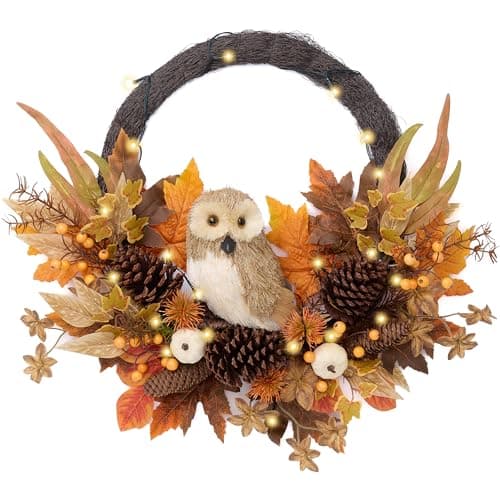
Valery Madelyn collapsible fall wreath, 24 in, lighted
#ad · Price as of October 19, 2026 · Disclosure
Guide
The pieces that stay up from September to December and the short list that swaps, so one porch covers four occasions.
Top pick
NEEDOMO lantern, 15 in, metal, with LED candle
#ad · Price as of October 19, 2026 · Disclosure

Guide
Wreath sizing for a narrow door, the three pieces that do the work on a stoop, and what folds flat afterwards.
Top pick
Fall wreath, 18 in, pumpkin and autumn trim
#ad · Price as of October 19, 2026 · Disclosure
Comparison
Twelve weeks is the number that decides this. What each option gives up, and where artificial is clearly right.
Top pick
Collapsible light-up pumpkin, 3 ft, stackable jack-o'-lantern
Guide
Four palettes, what each needs behind it, and which ones still read in November rather than only in October.
Top pick
Fall wreath, 24 in, maroon maple with pumpkin
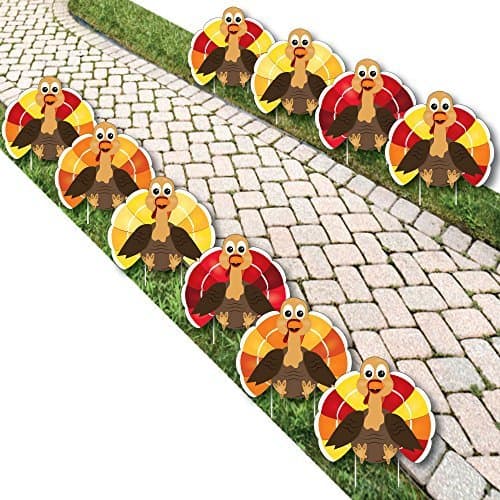
Best Thanksgiving decorations
Thanksgiving yard sign sets and banners compared on published piece count, stakes per sign, material and coverage.
Top pick
Big Dot of Happiness turkey lawn decorations, 10 piece
#ad · Price as of October 19, 2026 · Disclosure
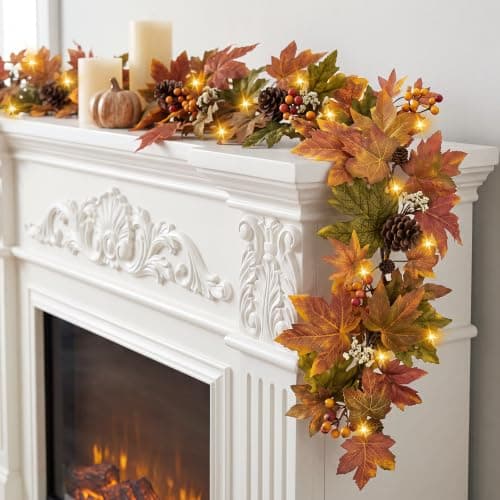
Best fall garland
Fall garlands compared on published length, LEDs per foot, timer and battery, with the swag arithmetic for mantels and doors.
Top pick
Artgar fall maple garland, 6 ft, 30 warm lights, timer

Best hay bales
Hay bales and corn stalks compared on published size, volume and material, with the weather verdict for each material.
Top pick
Anderson's lifesize faux hay bales, set of 2
#ad · Price as of October 19, 2026 · Disclosure

Best fall doormat
Fall coir doormats and layering rugs compared on published size, material and backing, with the layering arithmetic.
Top pick
HinyBoeh Hello Pumpkin coir doormat, 30 x 17 in
#ad · Price as of October 19, 2026 · Disclosure
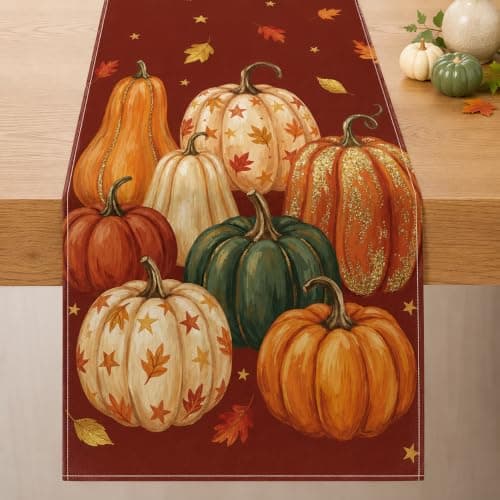
Best Thanksgiving table decor
Thanksgiving runners, a centerpiece and napkin rings compared on published size, with the table-fit arithmetic for each.
Top pick
Ditother fall table runner, 13 x 72 in, pumpkins
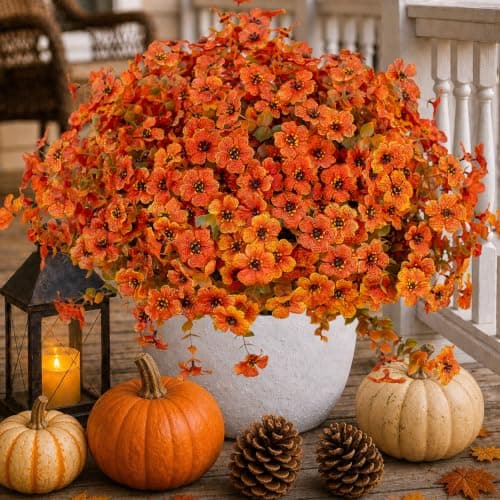
Best artificial mums
Artificial fall mums compared on bundle count, flower size and UV claims, with bundles-per-planter arithmetic.
Top pick
AXYLEX artificial fall mums, 16 bundles, UV resistant
#ad · Price as of October 19, 2026 · Disclosure
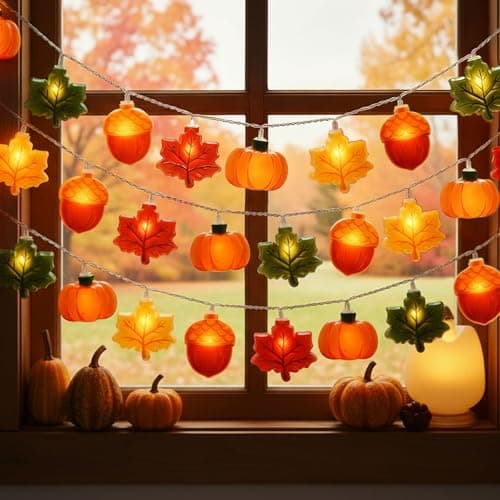
Best fall string lights
Maple leaf and pumpkin string lights compared on length, LEDs per foot, timer and rating, with mantel arithmetic.
Top pick
Fall string lights, 10 ft, 20 LED, pumpkins, acorns and leaves
#ad · Price as of October 19, 2026 · Disclosure
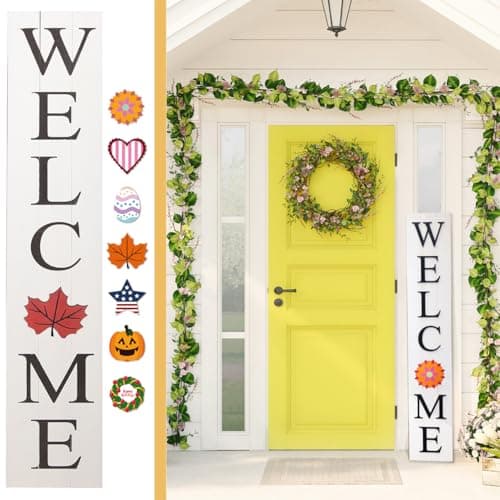
Best fall porch sign
Fall porch leaners compared on published size, material and mounting, with the door proportion check.
Top pick
ALBEN interchangeable welcome sign, 5 ft, 8 seasonal tiles
#ad · Price as of October 19, 2026 · Disclosure
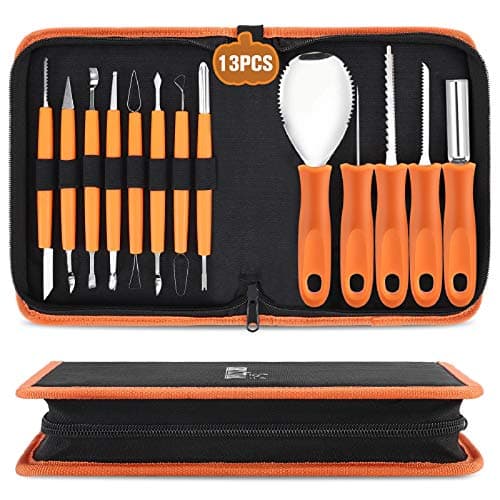
Best pumpkin carving kit
Pumpkin carving kits compared on published tool list, stencil count and steel, with a candle safety note.
Top pick
CHRYZTAL pumpkin carving kit, 13 pieces, with case
#ad · Price as of October 19, 2026 · Disclosure
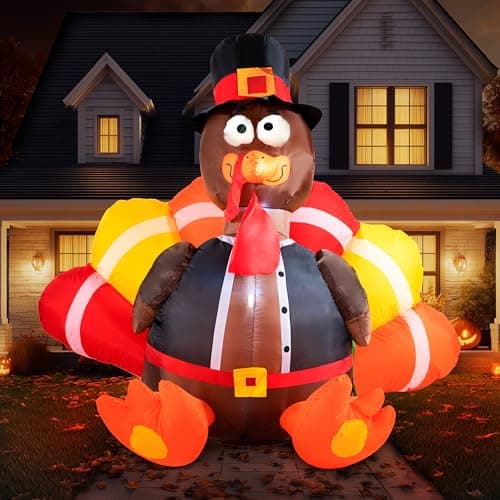
Best Thanksgiving inflatable
Thanksgiving turkey inflatables compared on height, lighting and anchoring, with November season arithmetic.
Top pick
Joiedomi Thanksgiving inflatable turkey, 6 ft, pilgrim hat, LED
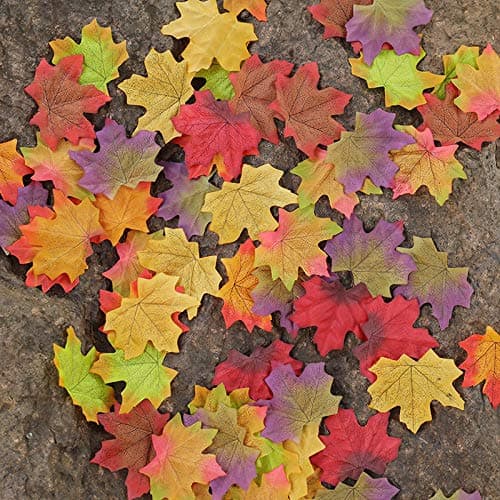
Best artificial fall leaves
Bulk artificial fall leaves compared on count, color mix and leaf shape, with scatter and garland arithmetic.
Top pick
Kubert fake fall leaves, 1,000 pieces, assorted maple
#ad · Price as of October 19, 2026 · Disclosure
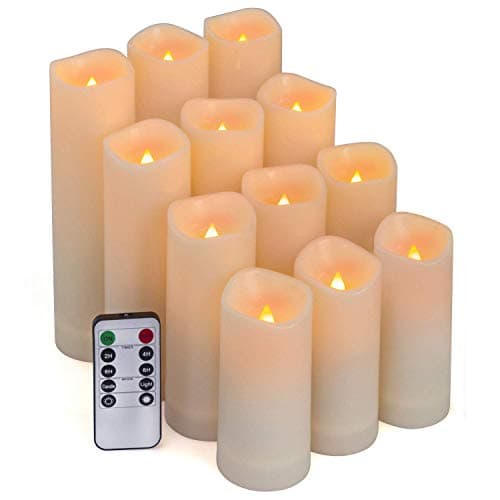
Best flameless candles
LED flameless pillar candles compared on waterproofing, diameter, heights, timer and batteries.
Top pick
Aignis waterproof flameless pillar candles, 12 pack, 2.2 in, 2 remotes, timers
#ad · Price as of October 19, 2026 · Disclosure
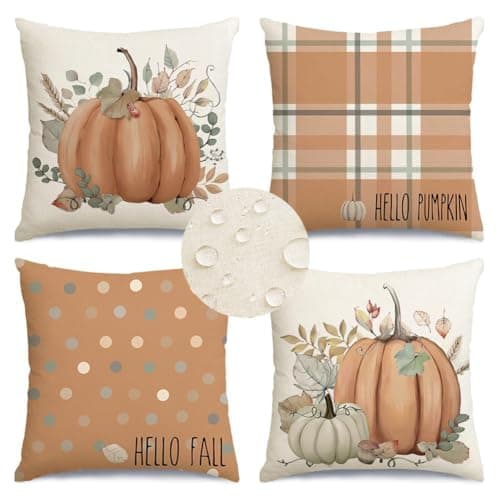
Best fall pillow covers
Fall outdoor pillow covers compared on waterproofing, pack size and season length, with bench arithmetic.
Top pick
RABUSOFA fall outdoor pillow covers, waterproof, 18 x 18 in, set of 4
#ad · Price as of October 19, 2026 · Disclosure
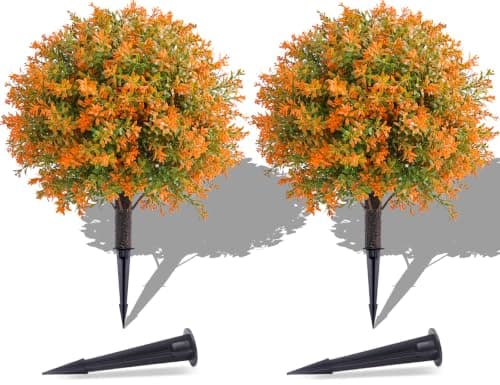
Best fall urn filler
Fall urn and planter fillers compared on height, piece count and UV resistance, with proportion arithmetic.
Top pick
PATIO CHOICE fall topiary ball tree urn filler, set of 2, 22 in, ground spike

Best harvest scarecrow
Harvest scarecrows compared on height, build, posable limbs and weather tolerance, with porch-scale arithmetic.
Top pick
Meonum sitting scarecrows, 2 pack, 59 in, bendable arms