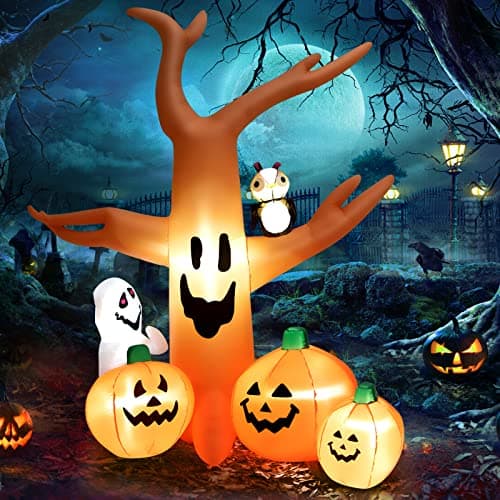
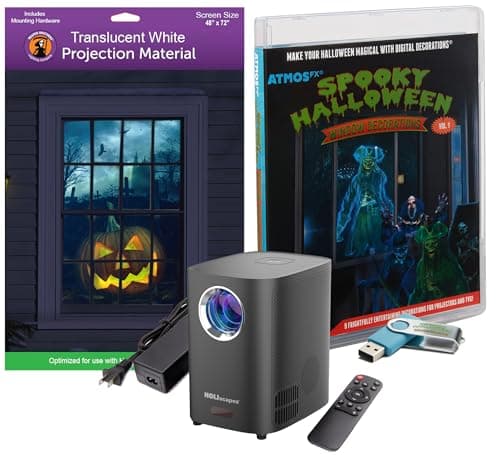
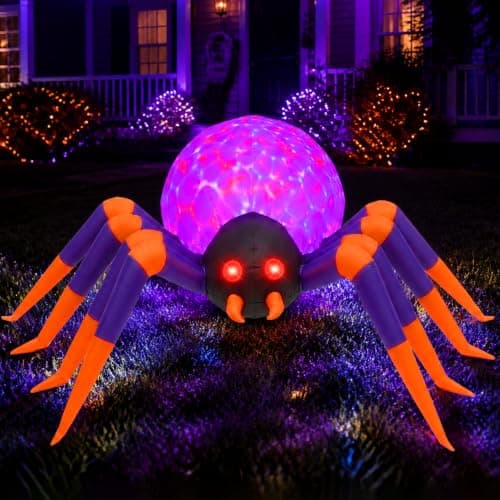
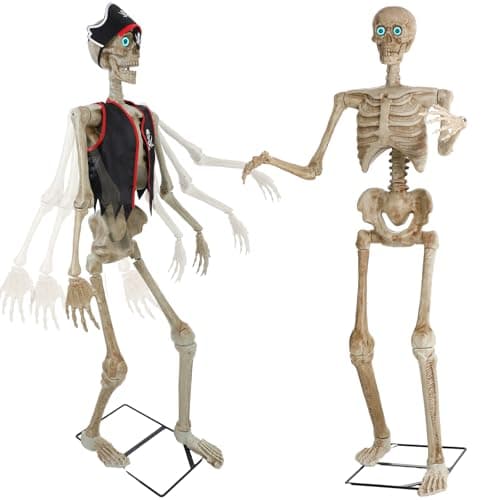
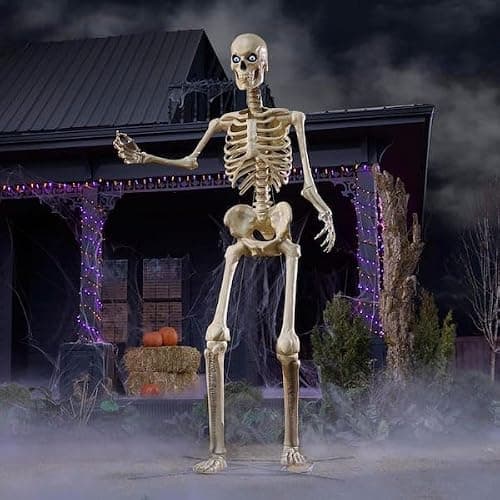
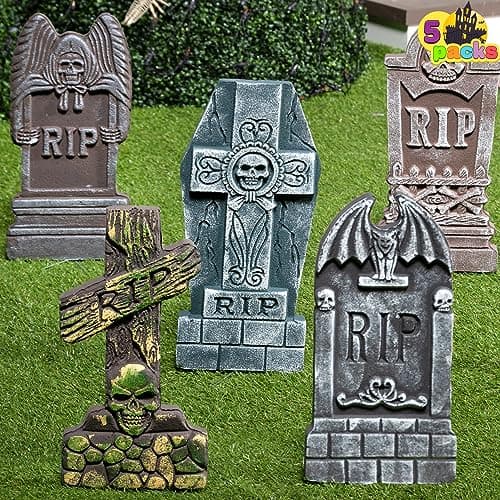
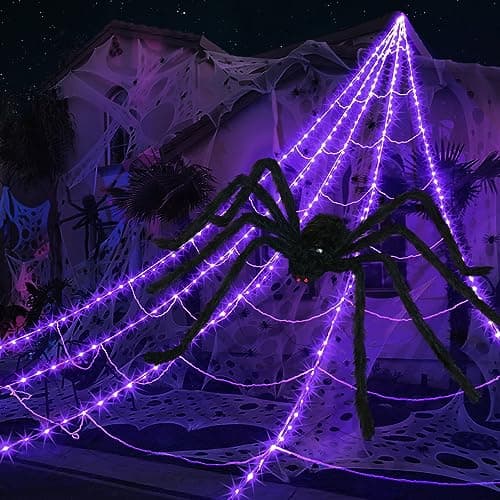
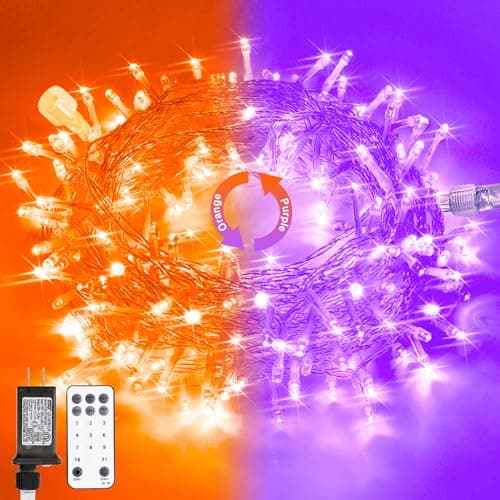
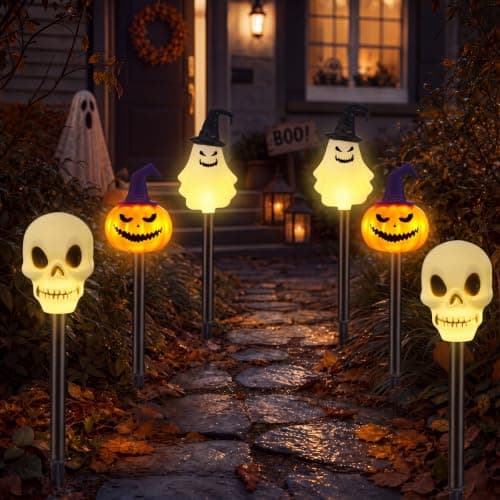
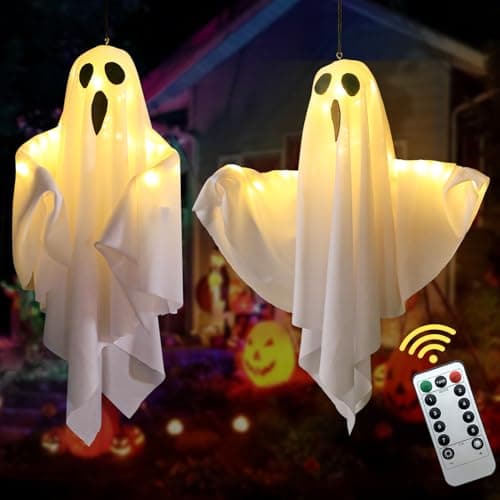
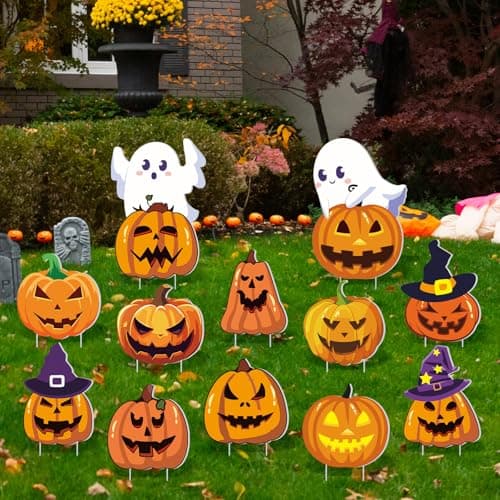
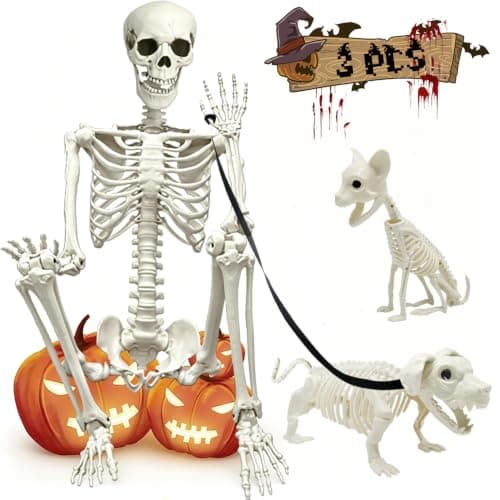
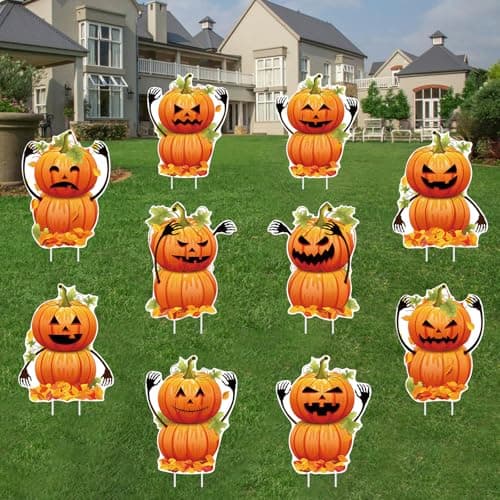
Halloween is the season where the electrical load is genuinely significant and the published data is genuinely worst. An inflatable’s lights are trivial; its blower runs continuously for several hours a night, every night, for a month. That is the load, and not one manufacturer we compiled publishes it in the listing.
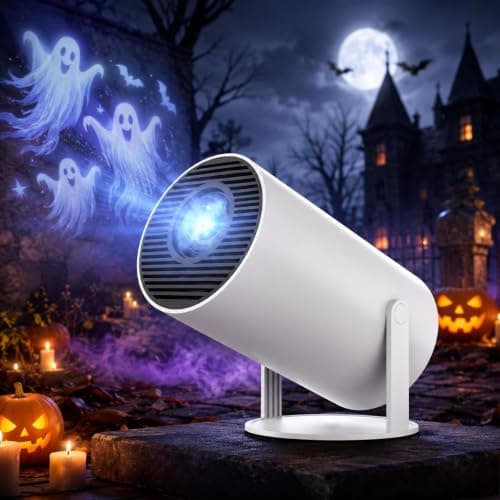
It is also the season with the most physical failure. Wind takes inflatables down, water gets into ground-level connections, and projectors disappoint because the hallway behind the window is two feet shorter than the kit needs.
How we evaluate Halloween decorations
Published specs — height, resolution, throw distance, screen size. In a category this thin on data, a maker that publishes anything at all is telling you something.
Street presence — whether it reads from the sidewalk. This is a function of height and of how far your house sits back.
Build — fabric, seams, and whether the moving parts are the first thing to fail.
Setup effort — number of blowers, plugs and stake sets you are committing to.
Scale, by how far back your house sits
What reads from where
Height
Reads from
Under 5 ft
The porch and the path — a close-range accent
5 to 7 ft
The sidewalk
8 ft and over
A passing car
On a small frontage an 8-foot piece overwhelms; on a deep lot a 5-foot one disappears. Measure the setback before buying the biggest thing available.
Source: Our own working guidance on scale, offered as a starting point.
Finding the load figure yourself
Since nobody publishes fan wattage, you have two options and both beat guessing. Read the figure off the blower housing or the power supply when the piece arrives, and write it on the storage box so you never look for it again. Or measure it with a plug-in energy monitor, which tells you the truth about your specific unit.
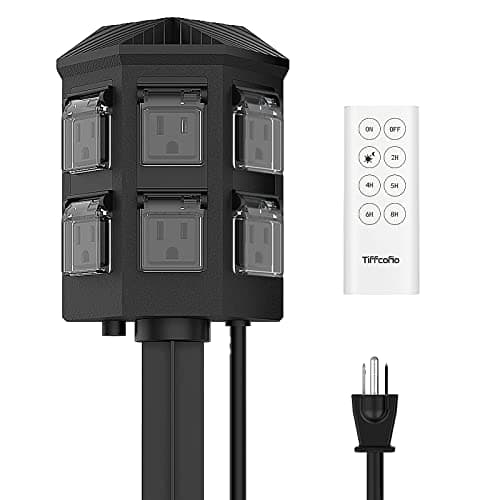
Either way, put the real numbers into the load calculator. It takes arbitrary rows, so a yard with three blowers and a projector goes straight in, and the underlying arithmetic is the same as in how many amps.
Anchoring is most of the job
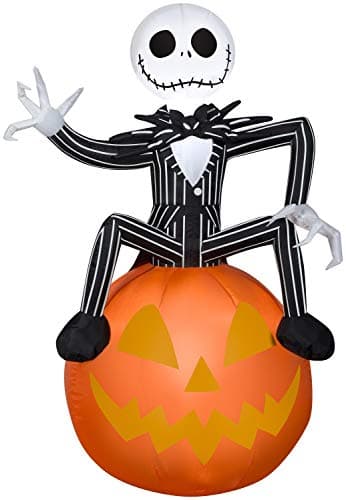
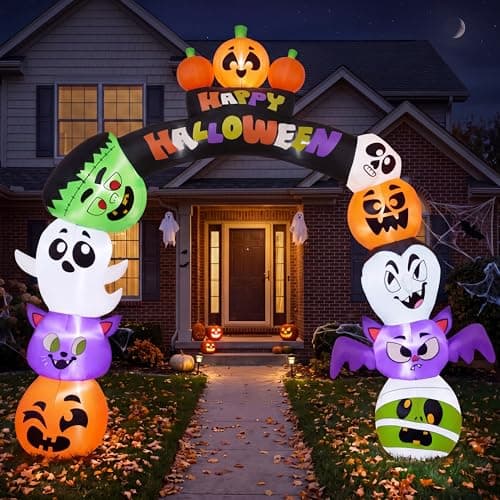
An 8-foot inflatable is a sail. Wind lifts it rather than pushing it, which is why the usual failure is stakes pulling straight out of the ground. Use every supplied stake and tether, drive them at roughly 45 degrees angled away from the figure so they load against the soil, tether from the upper attachment points where the lift actually is, and deflate the piece in a real wind. The full method is in Halloween inflatables.
This section grows through the year. Projectors, inflatables, the animated-versus- static question, the power arithmetic for a yard full of blowers, window projection setup, porch-scale decorating, the season timeline, the display lighting scheme and the family-friendly tone question are all covered now; window silhouettes and animatronic props follow ahead of the next season.